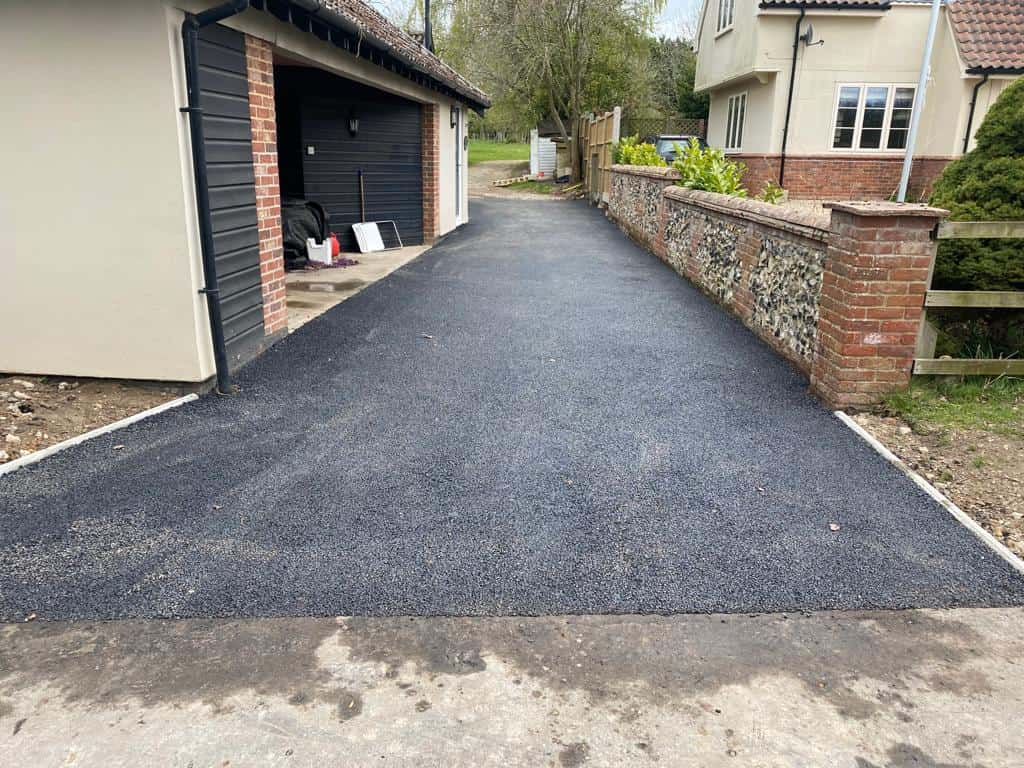
Residential and Commercial Tarmac: Choosing the Right Surface for Your Property
Tarmac is a practical surfacing solution used for a wide range of residential and commercial applications. Its consistent finish, durability and suitability for regular traffic make it a popular option for driveways, access routes, parking areas and other outdoor surfaces.
However, choosing the right tarmac solution involves more than selecting the surface material. The intended use, amount of traffic, ground conditions, drainage and layout of the property all need to be considered. For property owners in Flitwick, Bedfordshire, careful planning can help ensure a tarmac surface is suitable for its intended purpose.
What Is Tarmac Surfacing?
Tarmac is a bituminous surfacing material that combines aggregates with a binder to create a firm, durable surface. It can be installed over a properly prepared foundation to create areas suitable for vehicles and regular pedestrian use.
The finished appearance is generally smooth and consistent, making tarmac suitable for both practical and straightforward modern outdoor spaces.
Its versatility means it can be used for smaller residential driveways as well as larger commercial areas where regular vehicle movements need to be accommodated.
Residential Tarmac Driveways and Paths
Residential tarmac is commonly used for driveways, paths and other areas around a home. It provides a firm surface for vehicles while creating a straightforward appearance that can complement different types of property.
For a residential driveway, the expected number of vehicles and frequency of use should be considered when planning the installation. The available space, existing ground and drainage requirements are also important.
Tarmac can also be used for pathways, allowing homeowners to create practical routes between different parts of a property.
Commercial Tarmac Surfaces
Commercial areas can place different demands on a surface because of increased vehicle movements and higher levels of daily use.
Tarmac can be suitable for areas such as:
- Car parks
- Access roads
- Service areas
- Business premises
- Vehicle access routes
- Commercial entrances
The design of a commercial surface should take account of the type and frequency of traffic expected. Areas used by larger or heavier vehicles may require a suitable construction and stronger foundation than a standard residential driveway.
Why Ground Preparation Is Important
The performance of a tarmac surface depends heavily on the condition of the ground beneath it. Installing a new surface over a weak or unsuitable base can lead to movement, cracking, sinking and other defects.
Before installation, the existing ground should be assessed and prepared appropriately. Any weak areas may need to be addressed, while the sub-base should be suitable for the expected level of traffic.
Good preparation helps provide the stability required for the finished tarmac surface.
Drainage Considerations for Tarmac
Water management should form an important part of any tarmac project. Poor drainage can allow water to collect on the surface or around the edges of the installation.
The levels and falls of the surface should therefore be considered during planning. Suitable drainage arrangements can help direct rainwater away from vulnerable areas and reduce the risk of persistent standing water.
This is particularly important for larger commercial surfaces where substantial areas may need to manage rainfall effectively.
Residential or Commercial Tarmac: Which Is Right?
The most suitable tarmac solution depends on how the surface will be used rather than simply whether the property is residential or commercial.
A home driveway may require a different construction from a commercial access route because traffic levels and vehicle types can vary considerably. Similarly, a small business car park may have different requirements from a heavily used service area.
Considering the intended use before installation allows the surface and supporting construction to be planned accordingly.
Maintaining a Tarmac Surface
Tarmac is relatively straightforward to maintain. Regular sweeping can help remove dirt, leaves and other debris, while keeping drainage points clear can help prevent water from collecting.
Property owners should also keep an eye out for cracks, potholes, edge deterioration or areas where water is repeatedly pooling. Addressing defects at an early stage can help maintain the condition of the surface.
Good maintenance is particularly important for areas experiencing frequent vehicle movements.
Professional Tarmac Surfacing in Flitwick
A successful tarmac installation requires suitable materials, proper ground preparation and careful attention to drainage and surface levels. Choosing the correct construction for the intended use is also important for achieving a durable and functional result.
Flitwick Driveways & Patios provides professional tarmac surfacing solutions for residential and commercial properties in Flitwick, Bedfordshire. Each project can be assessed according to its intended use, existing ground conditions and layout.
Conclusion
Tarmac can provide a practical and durable surface for residential driveways, paths and commercial areas. The right solution depends on factors such as traffic levels, ground conditions, drainage and how the finished surface will be used.
If you are considering residential or commercial tarmac in Flitwick, Bedfordshire, contact Flitwick Driveways & Patios to discuss your requirements and arrange a professional assessment.
Call us on: 01525 302 797
Click here to find out more about Flitwick Driveways & Patios
Click here to complete our contact form and see how we can help with your driveway needs.